



Waste Less, Live Smarter: Simple Ways to Make a Difference
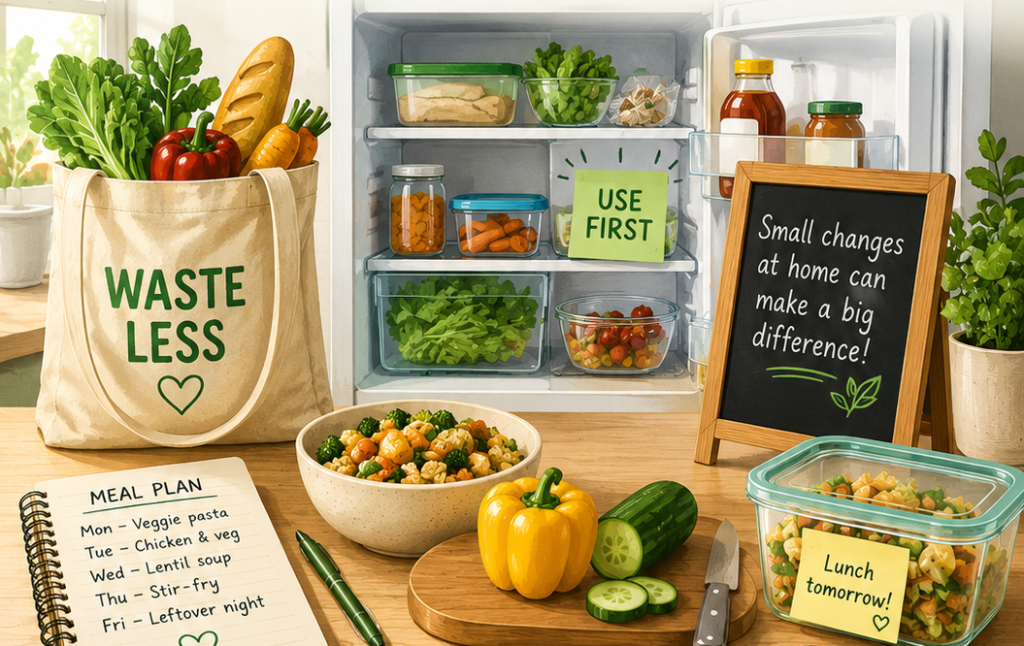
Food waste is a global challenge, but reducing it does not always require major changes. In fact, some of the most effective solutions can start at home — with the way we plan our meals, shop for food and use what we already have.
According to the European Food Safety Authority (EFSA), more than 58 million tonnes of food are wasted every year in the European Union. That is around 131 kg per person, with an estimated value of €132 billion. Even more importantly, households are responsible for more than half of all food waste in the EU.
So what can we do?
Plan before you shop
One of the simplest ways to prevent food waste is to plan meals in advance. Check what you already have at home before going shopping and make a shopping list based on what you actually need. Avoid buying more food simply because it is on promotion if you are unlikely to use it before it goes bad.
Store food properly
How we store food can make a big difference. Fresh and cooked foods should be stored appropriately, and your refrigerator should be organised so that older products are easy to see and use first. A little attention to storage can help food stay fresh for longer.
Understand food date labels
The difference between “use by” and “best before” dates is important. A “use by” date is related to food safety, while a “best before” date generally indicates the period during which food retains its expected quality. Understanding these labels can help consumers avoid throwing away food unnecessarily while still keeping food safety a priority.
Give leftovers a second life
Leftovers do not have to become waste. They can often be incorporated into another meal, frozen for later or combined with other ingredients to create something new. Thinking creatively about the food already in your kitchen can reduce waste and save money at the same time.
Every action counts
Food waste is not only an economic issue. Wasting food also means wasting the land, water, energy and other resources used to produce, transport and prepare it. Reducing food waste therefore contributes to a more sustainable food system.
The EU has committed to helping halve food waste at the retail and consumer level by 2030. Reaching this goal requires action throughout the food chain — from producers and retailers to restaurants and, importantly, consumers.
The good news is that everyone can contribute. Better planning, smarter shopping, proper storage and making the most of leftovers are small changes that can collectively make a significant difference.
Want to learn more? EFSA has prepared a useful infographic with practical tips for reducing food waste at home.