


Buying Better for People and the Planet
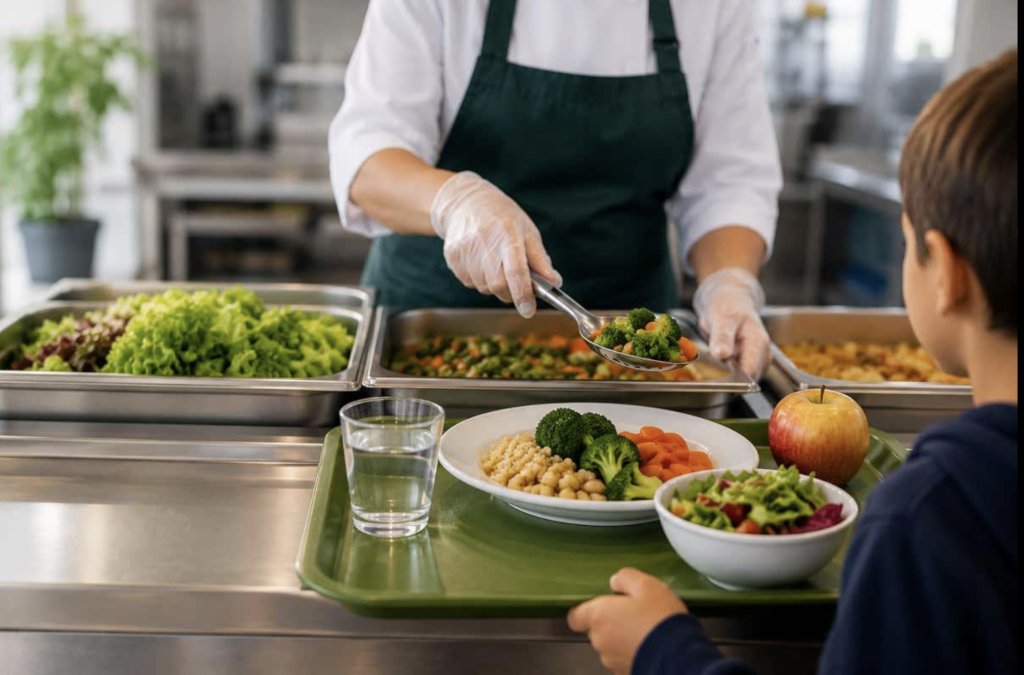
Every day, schools, hospitals, public institutions and canteens make decisions about what food to buy, where it comes from and how it is prepared and served. These decisions may seem routine, but public food procurement has the potential to influence the sustainability of the entire food system.
A new guide from the European Commission’s Joint Research Centre, Food Offer in Public Settings – A Recipe for Sustainable Food Procurement, presents practical criteria, good practices and tools to help public authorities make food procurement more sustainable.
One of the important ingredients in this approach is preventing food waste. But the guide goes beyond waste prevention alone. It encourages a more integrated approach that considers environmental, social, economic and nutritional aspects when food and food services are procured.
For public food services, the recommendations include using resources such as water and energy efficiently, choosing appropriate packaging, training kitchen staff and promoting awareness of sustainable diets and food waste. The guide also highlights the importance of understanding the local context, market availability and the needs of the people who will be served.
This is particularly relevant because public institutions serve large numbers of people every day. Schools, hospitals and other public settings can therefore have a significant influence on food consumption patterns and on the demand for more sustainable products and services.
The guide proposes a step-by-step approach. Before preparing a tender, contracting authorities should understand their target population, available market, stakeholders and specific needs. They can then select sustainability criteria suited to their objectives and monitor their implementation over time. Cooperation with suppliers and other stakeholders is also presented as an important part of the process.
The broader message is clear: preventing food waste does not begin only in the kitchen or at the moment food is thrown away. It can begin much earlier, with the decisions made when food is purchased.
By integrating sustainability criteria into public procurement, institutions can help create demand for healthier, more responsibly produced food while reducing environmental impacts and supporting a more sustainable food system.
Want to learn more? The European Commission’s guide Food Offer in Public Settings – A Recipe for Sustainable Food Procurement provides practical guidance for contracting authorities, procurement officers, policymakers and other stakeholders interested in making public food procurement more sustainable.
The guide is available to read and download online through the Publications Office of the European Union.