

From the Classroom to the Canteen
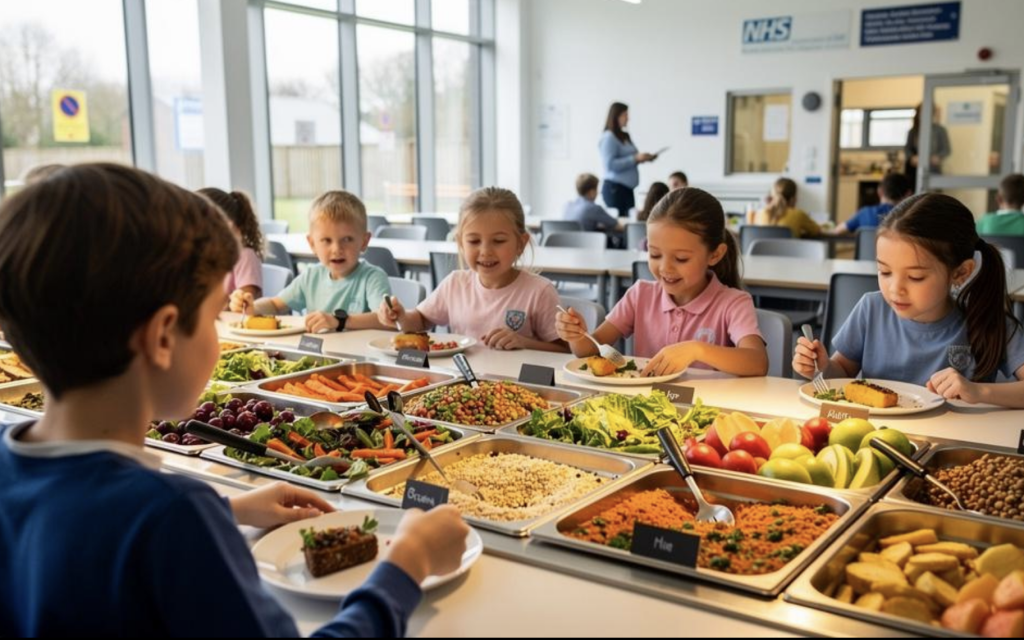
Schools are more than places where children learn mathematics, languages or science. They are also environments where everyday habits are formed – including the way we value, choose and consume food.
According to the European Commission and its Joint Research Centre, schools have an important role to play in preventing food waste. School meals provide an opportunity not only to reduce the amount of food that ends up discarded, but also to teach children and young people practical habits that can influence their behaviour at home.
So, what can schools actually do?
One important approach is education. Classroom activities can help pupils understand why wasting food matters and encourage them to think about their own habits. These activities can range from a single lesson to programmes running throughout the school year. The EU recommendations suggest involving teachers, catering staff and parents, creating a common approach both at school and at home.
Practical activities can make the topic even more engaging. Pupils can keep a food waste diary, learn how to plan meals and shopping, explore the value of food, or take part in challenges connected with food waste prevention. Measuring the amount of discarded food before and after an educational programme can also help schools understand whether their actions are making a difference.
The message is simple: preventing food waste is not only about throwing away less. It is about developing better habits and giving young people the knowledge and skills to make more sustainable choices.
The European Commission has prepared detailed recommendations with practical ideas and examples that schools can adapt to their own environment.
Discover the full recommendations and find practical inspiration for your school in the EU publication:
Recommendations for schools on how to reduce food waste