


Planning Before Shopping
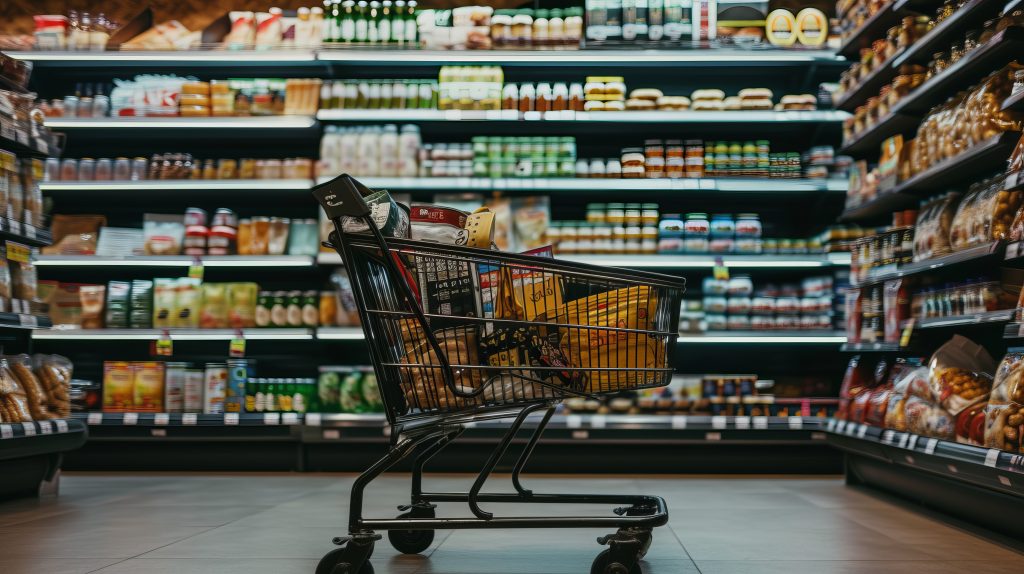
What if eating healthier could also help us waste less food?
A recent scientific study published in Resources, Conservation & Recycling explores an interesting connection between the way people choose food and the amount of food they waste. While consumers are increasingly encouraged to make sustainable choices—such as buying local, organic or environmentally friendly products—the researchers wanted to find out whether these choices actually translate into less food waste.
The study, based on survey data from 1,030 participants, compared two important drivers of food choice: nutrition and sustainability. The results reveal an unexpected finding: people who are more conscious of nutrition tend to waste less food, while being sustainability-conscious on its own does not appear to significantly reduce food waste.
Why might this be the case?
According to the researchers, nutrition-conscious consumers may be more likely to plan their meals and shopping, which can help them purchase appropriate amounts of food and make better use of what they already have at home. In other words, focusing on healthy eating may encourage everyday habits that also prevent food from being wasted.
This finding highlights an important challenge in food waste prevention. Simply encouraging people to “eat sustainably” may not be enough to change the behaviours that lead to food waste. Instead, interventions could be more effective when environmental goals are connected with personal health, meal planning and smarter shopping habits.
The message is encouraging: reducing food waste does not necessarily require completely new habits. Planning meals, buying only what is needed and managing food more carefully can support both a healthier lifestyle and a more sustainable food system.
Want to learn more? The scientific paper Sustainable food consumption: Sustainability-conscious consumers do not reduce food waste but nutrition-conscious consumers do by Trang Thi Thu Nguyen, Jack B. Hetherington, Patrick J. O’Connor and Lenka Malek explores these relationships in greater detail, including the research methodology and findings.
The paper is open access and can be read and downloaded online.